
The Nature of Luck in Gambling
Luck is often perceived as a mysterious force that can sway the outcomes of games, making it a central element of the gambling experience. At casinos, players frequently find themselves hoping for that serendipitous moment where a lucky break can change their fortunes. This element of chance is not only fascinating but essential, as many games rely on randomness to determine winners. Whether it’s rolling dice, spinning a roulette wheel, or drawing cards, players searching for the best non gamstop casino uk know that luck plays a pivotal role in how they engage with these games.
Understanding luck involves recognizing that, while it can contribute to winning outcomes, it operates alongside skill and strategy. In certain games, like poker, the luck of the draw can influence hands dramatically, but a skilled player can leverage their knowledge and experience to capitalize on advantageous situations. On the other hand, games like slot machines offer less room for strategy, relying heavily on the pure chance of the spin. This creates an interesting dichotomy where luck can be both a player’s best friend and worst enemy.
The role of luck in casinos can be amplified by psychological factors as well. Players often experience ‘hot streaks’ or ‘cold streaks’ which can affect their emotions and decision-making processes. When players feel they are in a lucky phase, they may take more risks, believing their fortune will continue. Conversely, during a sequence of losses, players might become cautious and hesitant. This psychological interplay adds depth to the concept of luck within the casino environment, influencing both gameplay and overall experiences.
The Impact of Luck on Player Behavior
Luck not only influences the outcomes of games but also affects player behavior and psychology. A gambler’s perception of luck can significantly shape their approach to gaming, including their betting patterns and risk tolerance. For example, a player who believes they are on a lucky streak may increase their bets to maximize potential winnings. This phenomenon shows how luck can directly impact financial decisions within the casino context.
Additionally, the concept of luck can lead to behaviors such as chasing losses. Players often become emotionally invested in their gambling experience, and the hope of turning their luck around can drive them to place more bets in an attempt to recover lost funds. This can lead to a cycle of escalating bets that are often fueled by hope rather than rational decision-making. Understanding these psychological aspects is crucial for players seeking to navigate their experiences responsibly.

Moreover, the social environment of casinos can enhance feelings of luck and camaraderie among players. Engaging with fellow gamblers, sharing experiences, and celebrating wins together can create a communal sense of luck. Many players believe that being around others who are winning can somehow improve their own chances of success. These social dynamics underscore the multifaceted influence of luck within the casino experience, showcasing how it extends beyond mere chance to affect interpersonal relationships and community within gambling venues.
The Illusion of Control: Skill vs. Luck
In various casino games, players often grapple with the illusion of control, a psychological phenomenon where they believe they can influence outcomes despite the inherent randomness. This belief can lead players to adopt strategies that they feel enhance their chances of winning, even if these strategies are based more on hope than actual statistical advantage. For instance, some players may have lucky charms or engage in specific rituals before placing bets, attributing their outcomes to these practices rather than the actual odds of the games.
While skill certainly plays a role in games like blackjack or poker, where strategy can sometimes outstrip luck, the reality is that the element of chance will always remain a critical factor. Even the best players can encounter bad luck, while less experienced players may unexpectedly win. This unpredictability keeps the experience engaging and varied, as outcomes are never solely determined by skill or strategy.
This dynamic creates a fascinating tension within the casino experience, as players oscillate between using skill and embracing luck. The acknowledgment of this balance can lead to more enjoyable gaming experiences, where players appreciate the thrill of the unknown rather than becoming overly focused on controlling their outcomes. Understanding that luck will always be a part of the equation allows for a healthier, more balanced approach to gambling.
The Role of Luck in Game Design
Game design in casinos is intricately linked to the concept of luck, as developers strive to create experiences that are both thrilling and unpredictable. Games are often structured to incorporate random elements that can lead to big wins, enticing players to participate. Slots are perhaps the most evident example, where the randomness of the reels creates excitement and suspense with each spin. Players are drawn in by the possibility of hitting a jackpot, and the inherent luck involved makes each play unique.
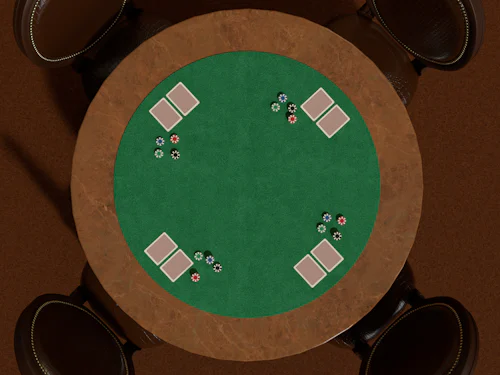
The integration of luck into game mechanics is also significant in table games, where random elements like shuffling cards or spinning a wheel determine outcomes. Game designers understand that players enjoy the uncertainty tied to luck and often build this into the core experience. This can enhance player engagement, as the thrill of uncertainty keeps them coming back for more, driving the casino’s success.
Moreover, the balance between luck and skill is deliberately crafted to ensure a diverse range of experiences. Games that lean heavily on luck may appeal to casual players looking for entertainment, while those that incorporate more strategy can attract seasoned veterans seeking a challenge. By effectively designing games around these principles, casinos can cater to a wide audience, ensuring that the thrill of luck remains a central theme in the overall experience.
Enhancing Your Casino Experience
Understanding how luck influences your casino experience can empower you as a player. Recognizing the role of luck can help you maintain realistic expectations and approach your gambling activities with a balanced mindset. Embracing the uncertainty associated with games allows you to enjoy the experience more fully, appreciating both the highs and lows without becoming overly frustrated by individual outcomes.
Engagement in responsible gambling practices is essential for a positive casino experience. Acknowledging that luck is a variable aspect of gaming encourages players to set limits and stick to budgetary constraints. This self-awareness can significantly enhance your overall enjoyment, making it less about the outcomes and more about the experience and entertainment value of the games themselves.
Finally, always seek out knowledge and information about the games you choose to play. Familiarizing yourself with game rules, odds, and strategies can equip you with the tools to make informed decisions. By combining this knowledge with a healthy appreciation for luck, you can create a fulfilling and enjoyable casino experience that prioritizes fun over frustration.